When Manufacturing and Warehouse Work Leads to Injury
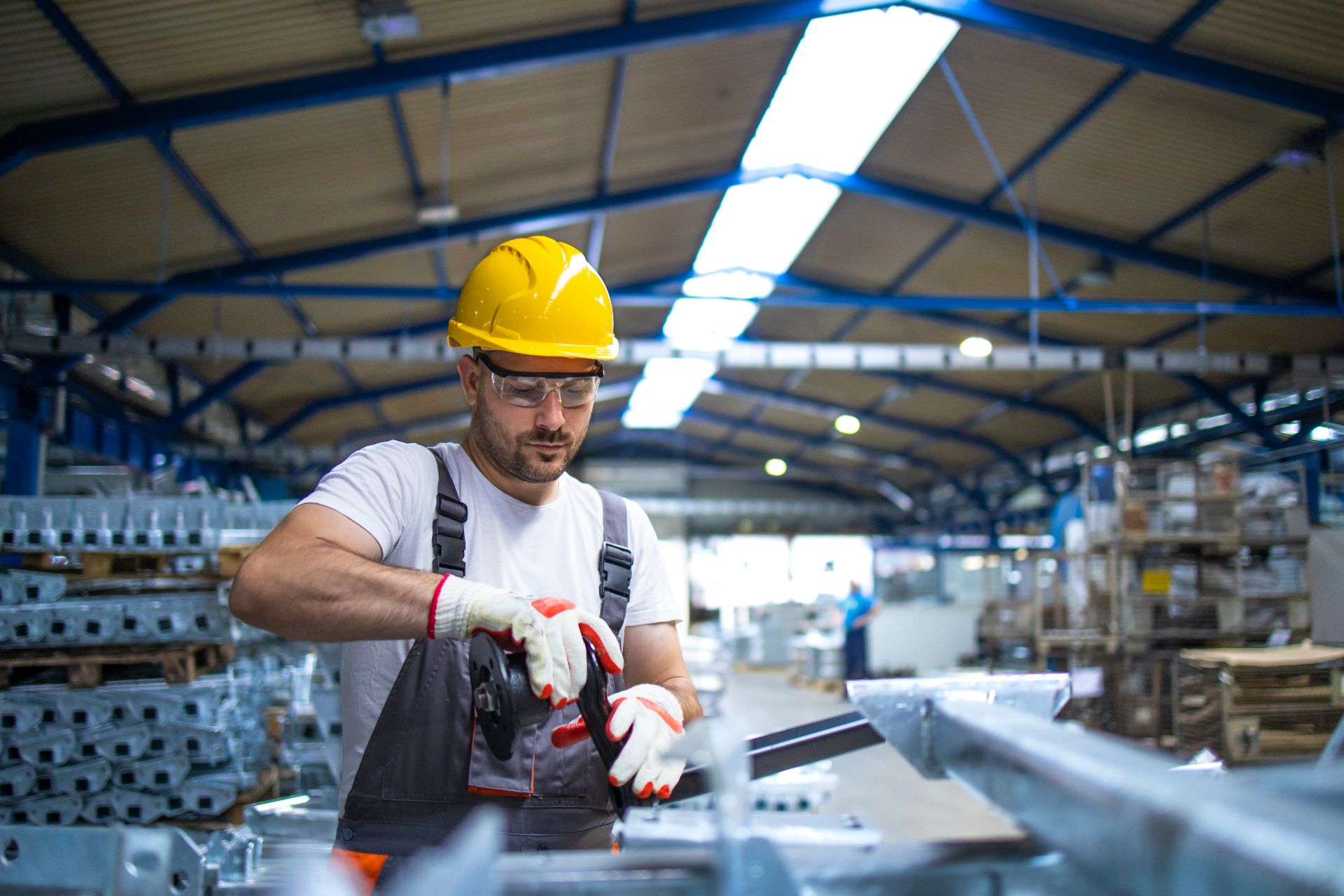
Manufacturing plants, distribution centers, and warehouses form a major part of the Salisbury, Rowan County and North Carolina workforce. These jobs are physically demanding and often fast-paced. When an injury happens, workers may feel pressure to "tough it out" rather than report it.
Reid Acree represents factory and warehouse employees in accidents across North Carolina, focusing on protecting medical treatment and wage benefits from the very beginning of the case.
Common Factory and Warehouse Injury Scenarios
Industrial environments involve repetitive motion, heavy equipment, and high-traffic work areas. Common injury mechanisms include:
- Forklift accident workers' comp claims
- Pallet jack and loading dock incidents
- Falls from ladders or elevated storage
- Heavy lifting injuries
- Repetitive strain conditions
- Distribution center injury from fast-paced order fulfillment work
Whether the injury was sudden or developed gradually, proper reporting and documentation are essential to protect the claim.
|
What If You Were Hurt at a Warehouse or Distribution Center?
If you were injured while performing job duties, North Carolina workers' compensation may provide:
Authorized medical treatment
Wage replacement benefits when you cannot work
Disability compensation for permanent impairment
Reporting the injury promptly and filing the appropriate forms - often including Form 18 - helps protect your rights under the system administered by the NC Industrial Commission. Protecting your claim from the start reduces preventable delays.
For an overview of how benefits work, visit the Workers' Compensation page.
|
Are Repetitive Strain Injuries Covered?
Many factory and warehouse workers worry that gradual injuries will not qualify. Repetitive lifting, excessive packing, or assembly-line work can lead to chronic shoulder, knee, or wrist conditions. These cases are difficult to prove however; it is best to talk with a board certified workers' comp lawyer before filing the claim.
Repetitive injuries may qualify under North Carolina workers' compensation law when medical evidence connects the condition to job duties. Turning gradual symptoms into a clear claim requires consistent medical documentation and accurate description of work tasks.
What Should You Do After a Forklift or an Equipment Accident?
Forklift and equipment accidents can result in serious trauma. After a forklift accident workers' comp situation:
Report the incident immediately.
Seek medical attention and describe exactly how the accident occurred.
Ensure proper forms are filed with the NC Industrial Commission.
Follow medical restrictions carefully.
Clear documentation from the beginning helps reduce disputes about how the injury happened or whether it was work-related.
Protecting Wage Benefits During Recovery
Time away from work can create financial pressure. North Carolina workers' compensation may provide wage replacement benefits when medical restrictions prevent you from earning your pre-injury wages.
If light duty is offered, it should match documented medical restrictions. Keeping benefits aligned with restrictions helps prevent confusion and protects income during recovery.
|
Focused Guidance for Industrial Workers
Factory and warehouse jobs are physically demanding, and injuries often involve heavy lifting, machinery, or repetitive strain. Reid Acree provides factory and warehouse workers with representation focused on documenting the work connection, correctly navigating NC Industrial Commission procedures, and protecting medical and wage benefits.
From the Salisbury office, representation extends statewide, including workers in Charlotte, Raleigh, Durham, Asheville, and The Triad region of Winston-Salem, Greensboro, and High Point.
|